
article Regenerative Is Having a Moment. But What Does It Actually Mean?
The term “regenerative” comes up a lot in conversations we have with customers.
And if we’re being honest, there’s a fair amount of confusion around it.
So here’s the simplest way I think about it:
Regenerative means working with nature, instead of against it.
That’s it.
🌱 What does that actually look like?
Take a drive through the Midwest and you’ll see it everywhere:
Endless fields of a single crop. Corn. Soy. Corn. Soy.
But step into nature, untouched, and you’ll notice something different.
You never see just one thing growing.
You see diversity. Grasses, legumes, trees, insects, animals. All working together.
That’s the model.
So when we think about regenerative agriculture, it’s not complicated:
- Multiple species working together
- Animals playing a role in the ecosystem
- Soil being built, not depleted
- And critically: no reliance on synthetic chemicals
Because in nature, systems don’t need chemicals to function.
They balance themselves.
🏢 Regenerative is going corporate
Here’s where things get interesting.
Large corporations are now investing heavily in “regenerative agriculture.”
On the surface, this sounds like a big win.
More land managed “regeneratively” should be a good thing, right?
But when you look a little closer, you start to see how these programs are actually being defined.
For example, PepsiCo outlines its regenerative approach here:
https://www.pepsico.com/esg-topics/climate-change
They highlight practices like:
- Planting cover crops
- Adopting low- or no-till farming
All good things.
But you’ll notice something missing.
👉 There’s no mention of reducing or eliminating chemical inputs.
🚜 What is no-till?
No-till farming means farmers don’t plow or disturb the soil before planting.
That’s a positive step.
Tillage can damage soil structure, release carbon, and disrupt microbial life.
So reducing or eliminating tillage is, in isolation, a good move.
⚠️ But here’s the part that often gets missed
Most no-till systems are still built on:
- A single crop (corn or soy)
- Over large acreage
- With chemical inputs to manage weeds
Because if you’re not tilling the soil, how do you control weeds?
In most conventional systems, the answer is:
👉 Herbicides.
A 2025 analysis by Friends of the Earth, using USDA pesticide-use data, estimated that no/minimum-till corn and soy production accounts for roughly one-third of annual pesticide use in the U.S.
https://foe.org/resources/rethinking-no-till/
That number depends on modeling assumptions, but the direction is clear:
No-till does not automatically mean chemical-free.
🤔 So is this actually regenerative?
This is where definitions start to get blurry.
If a farm is:
- Not tilling the soil
- But still planting a single crop
- And still relying on herbicides
Is that regenerative?
Or is it just… a slightly improved version of the same system?
Some critics argue that the term “regenerative” is being stretched to include practices that still depend heavily on chemicals.
https://foodtank.com/news/2025/05/op-ed-defining-regenerative-agriculture-with-integrity/
🧭 Is it a step in the right direction?
Probably.
Reducing tillage is better than aggressive tillage.
Any move toward improving soil health matters.
But the bigger question is:
Is it enough to actually change the food system?
Because the core model hasn’t changed:
- Still monoculture
- Still input-dependent
- Still disconnected from how nature actually works
🌾 Our perspective
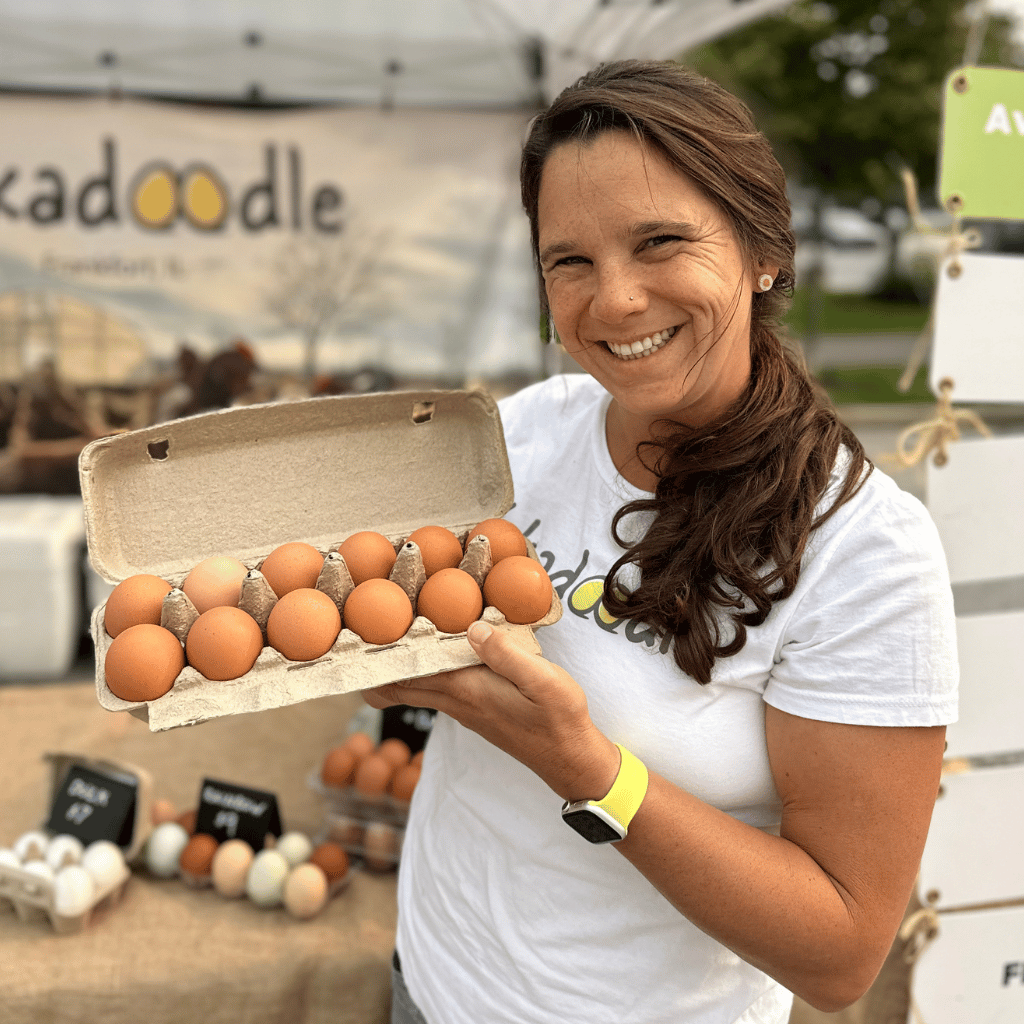
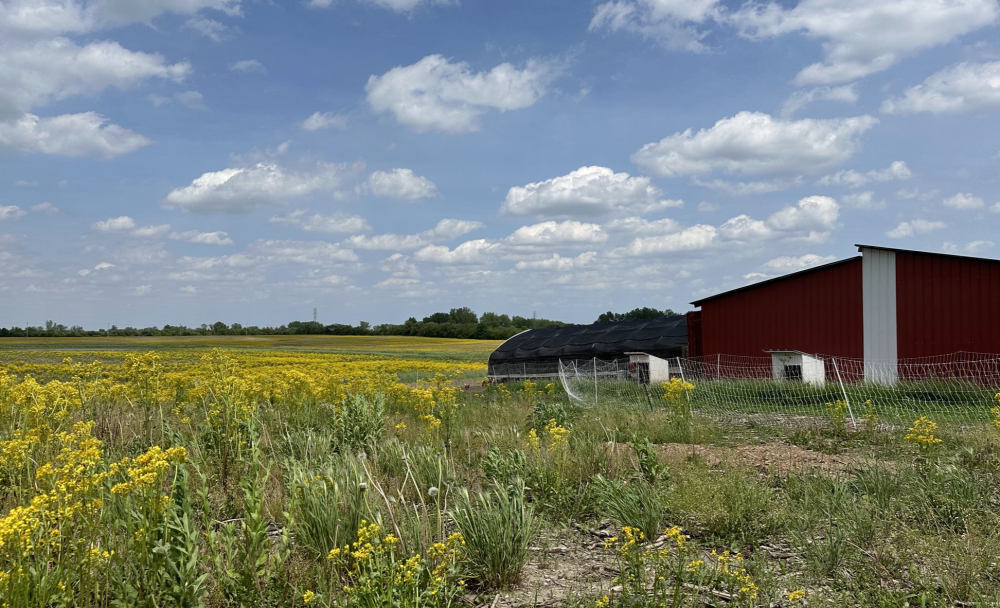
At Kakadoodle, when we say regenerative, we mean something closer to this:
- Diversity over monoculture
- Animals integrated into the system
- Soil as the foundation
- And food grown without chemicals
Not because it’s trendy.
Because it’s how nature already operates.
🥚 Why this matters
The word “regenerative” is going to keep showing up more and more.
On packaging. In grocery stores. In marketing.
Some of it will represent real change.
Some of it will be… less clear.
Our goal isn’t to get caught up in definitions.
It’s to stay grounded in a simple question:
👉 Is this working with nature, or against it?
That’s the standard we try to hold ourselves to.
And the one we think matters most.