article What “Chemical-Free” Means to Us
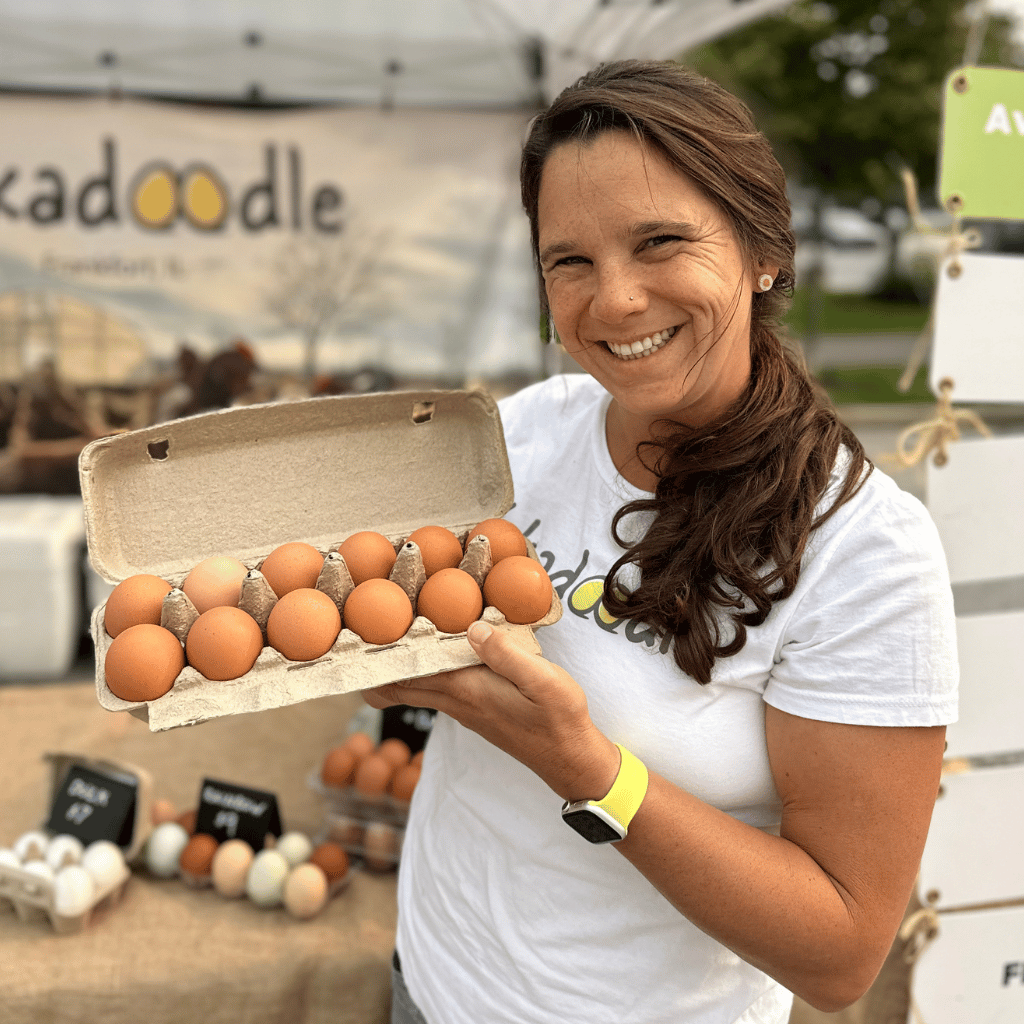
At Kakadoodle, our mission is simple: get clean, chemical-free food into as many hands as possible while supporting the farmers who grow it that way.
For us, this isn’t a marketing idea. It’s personal.
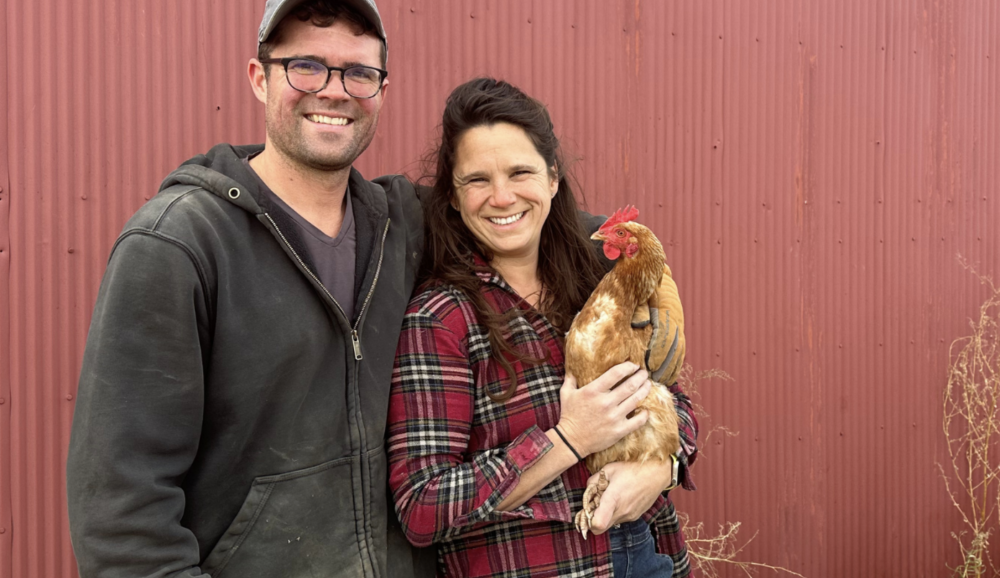
Several years ago, my husband Marty was diagnosed with stage four non-Hodgkin’s lymphoma. During that difficult time we learned something that changed how we looked at food forever. His specific form of lymphoma had been directly associated with exposure to glyphosate, the active ingredient in Roundup.
Glyphosate is the herbicide sprayed across millions of acres of farmland in the United States every year. It’s commonly used on crops like corn and soybeans, which means it is deeply embedded in the industrial food system.
When you go through something like cancer as a family, you start asking different questions. You start wondering where your food comes from, what is actually in it, and what kind of system produced it.
Those questions eventually led us to move our family into a 150-year-old farmhouse on five acres.
At the time, we didn’t have a perfectly clear plan. We just knew we wanted to live closer to the land and be part of a better food system. Marty had spent his career building software companies, and we began wondering if technology could help connect people with clean food in a new way.
Over time, that idea grew into what Kakadoodle is today: an online farmers market connecting families with chemical-free food from local farms.
But before any of that could exist, we had to answer a simple question.
What does “chemical-free” actually mean?
What Chemical-Free Means to Us
When we say chemical-free, we are talking about how the food is grown and raised.
On our farm, and on the farms we partner with, it means the land is not treated with herbicides or pesticides. These are the chemicals most commonly used in modern agriculture to control weeds and insects.
Instead of relying on chemical shortcuts, these farmers work with natural systems.
That can mean rotating animals across pasture so the land has time to recover. It can mean building healthy soil through diverse crops and careful land management. It often means more work, more observation, and more patience.
It is not the easiest way to farm.
But we believe it is a better way.
What Chemical-Free Means for Animals
Chemical-free also applies to how animals are raised.
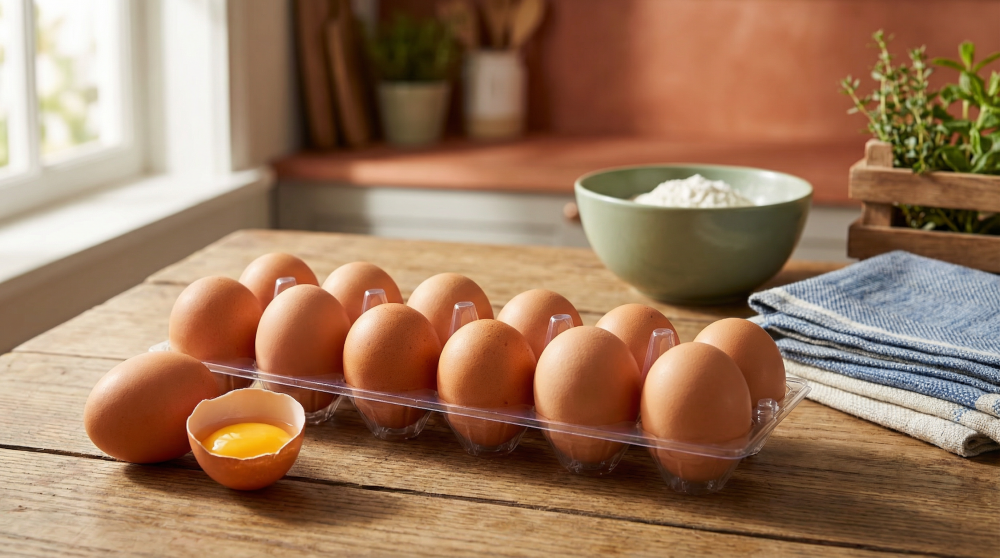
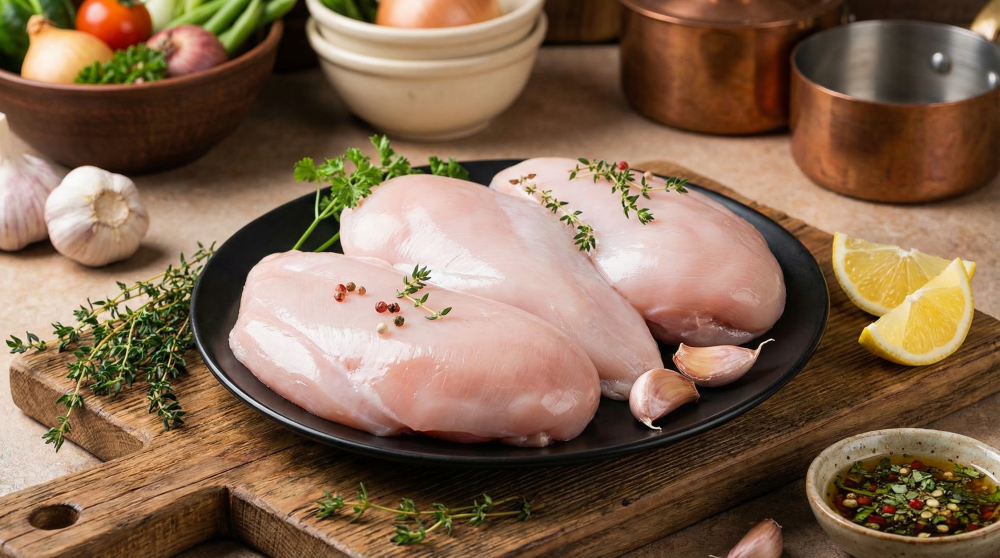
Our chickens, and many of the animals raised by our partner farms, spend time on pasture where they can move, forage, and behave the way animals are meant to.
Fresh air, sunlight, and grass are all part of their environment.
Their feed is non-GMO and carefully sourced. That means it is grown without genetically modified crops that are typically paired with heavy herbicide use.
For us, the goal is to mimic nature as closely as possible.
Animals on pasture. Healthy soil. Diverse farms.
When agriculture works with nature instead of trying to control it, the results are often better for the land, the animals, and the people eating the food.
What It Means for Products Like Coffee and Chocolate
Not everything we offer can be grown here in Illinois.
Products like coffee, chocolate, and a few other specialty foods obviously come from other parts of the world. But the same principle still applies.
We work with producers who have direct relationships with the farmers growing those ingredients. They know where the crops come from, they know how they are grown, and they know firsthand that those farms are also avoiding chemical inputs.
That level of transparency matters to us.
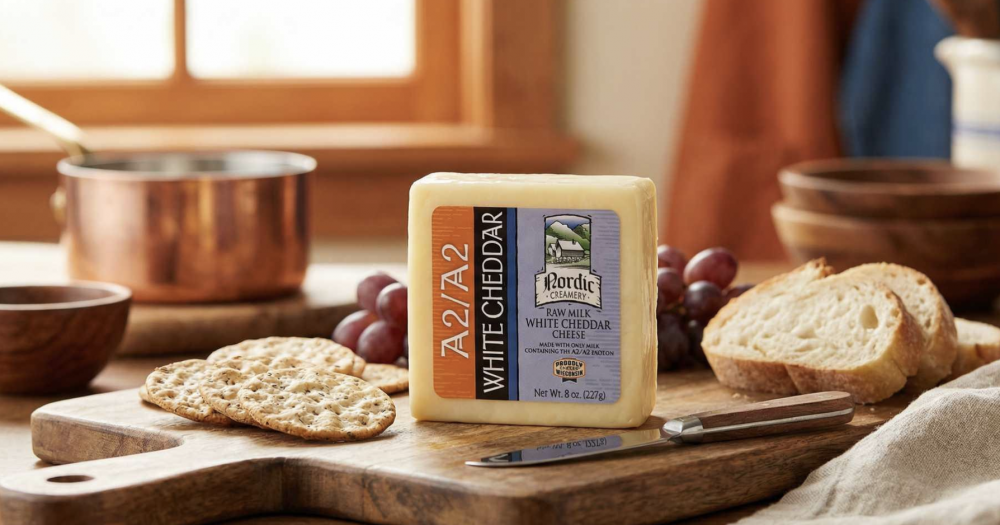
It allows us to extend the same philosophy beyond our local farms and into the products we carefully choose to carry.
Supporting Farmers Doing It the Right Way
One of the most important parts of Kakadoodle is that this isn’t just about our farm.
It is about an entire network of farmers who care deeply about how food is grown.
Across our region there are incredible farms raising animals on pasture, growing vegetables in living soil, and producing food without chemical inputs. Many of these farmers are small operations that have historically struggled to reach modern consumers.
Kakadoodle exists to help bridge that gap.
Farmers focus on growing food the right way.
We focus on making it easier for families to access it.
Why This Matters
Our goal isn’t perfection.
Agriculture is complex, and every farm has its own challenges. But we believe moving away from chemical-dependent farming and toward regenerative practices is one of the most important shifts we can make for our health, our communities, and the environment.
For our family, it all started with a very personal moment.
Cancer forced us to ask difficult questions about the food system we were part of.
Kakadoodle is our attempt to build something better.
Not just for our family, but for yours too.