article What Happened in 2025
I like to bookend the New Year by looking backward before looking ahead. This is the rearview-mirror post — the forces that shaped the year, and why they mattered.
Bird flu exposed a fragile food system
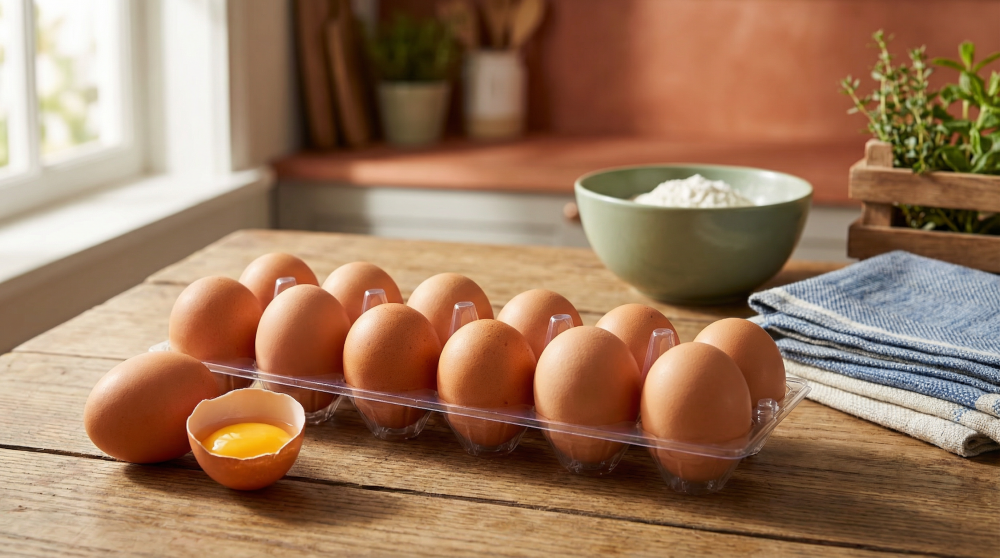
The bird flu outbreaks of 2025 didn’t just take out flocks — they emptied shelves. Eggs disappeared. Prices spiked. Limits showed up at grocery stores.
What made this moment different wasn’t the disease itself, but how visible the fragility became. A highly centralized, efficiency-optimized food system proved incredibly brittle. When one node failed, the shock rippled nationwide.
Government funding proved unreliable by design
At the same time, federal funding programs reminded everyone that they are political tools before they are stability mechanisms.
Programs paused. Grants froze. Timelines shifted overnight. Many food and farm businesses learned the hard way that government support can disappear without warning — not because projects failed, but because priorities changed.
Support for regenerative agriculture accelerated
Paradoxically, 2025 also marked a meaningful shift in how agriculture is supported.
Even as other programs stalled or froze, the federal government committed roughly $700 million toward conservation, soil health, and regenerative agriculture initiatives, signaling a growing belief that long-term food resilience depends on healthier land and reduced chemical reliance.
Consumer preferences shifted away from the center of the store
One of the quietest but most important shifts of 2025 happened in the grocery aisle.
Consumers continued to move away from heavily processed, center-of-store products toward fresher, simpler, and more transparent foods. Analysts pointed out that even a one percent shift away from ultra-processed foods would have massive implications for legacy brands.
This became visible when Kraft Heinz publicly acknowledged changing consumer preferences — and announced a major corporate restructuring in response. When companies built on processed food scale start reorganizing, it’s a signal, not a blip.
AI showed up in a real way
2025 was the year AI stopped being abstract and became practical.
Globally, AI reshaped how work gets done. Inside Kakadoodle, it became an everyday tool across nearly everything we do — from writing code, where it’s made me orders of magnitude more effective as a developer, to planning real-world work like planting 1,300 trees.
AI is now part of our operating system, underpinning how we move food from the farmer to the consumer’s doorstep. The takeaway is simple: AI isn’t a future advantage. It’s a present one, giving a small team leverage that wasn’t possible before.
New market opportunities revealed themselves
2025 clarified where real opportunity exists.
Two areas stood out: on-farm sales and CPG products. What began as experiments quickly proved to be more than side projects.
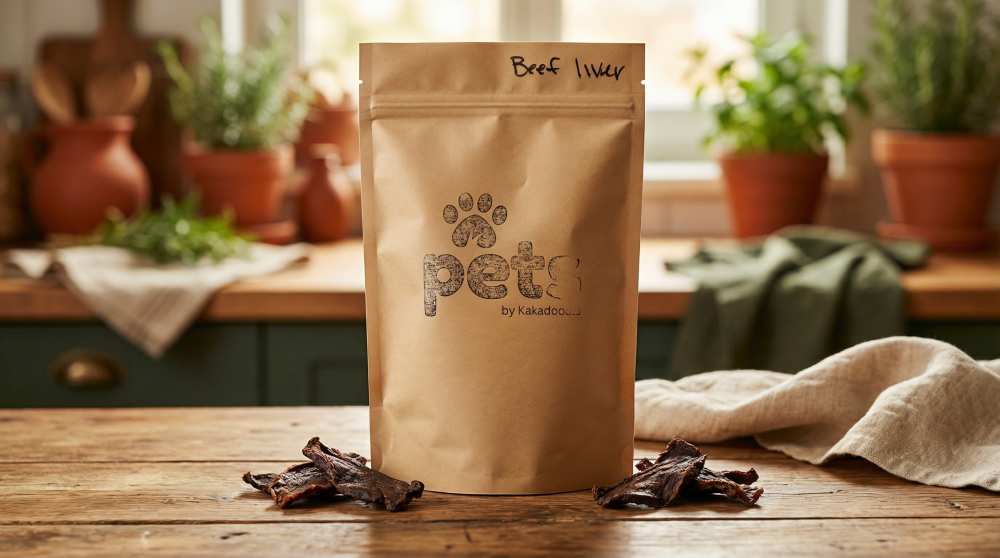
On-farm sales showed real demand for direct, place-based food experiences rooted in trust. At the same time, CPG products like egg bites and pet treats demonstrated that clean, chemical-free food can scale beyond raw ingredients.
Together, these paths point to a more resilient business and stronger local food ecosystems. In 2025, they stopped being ideas and started becoming real levers for impact.
We crossed from scrappy to real
2025 forced a transition.
We started with a romantic idea of farming and local food, without fully understanding what it would take. This year stripped that away and replaced it with focus.
The trials we faced, the support from our customers, and the discipline of relying on real numbers instead of assumptions pushed us over a line. Kakadoodle stopped being held together by effort and became held together by systems.
Kakadoodle survived when it probably shouldn’t have
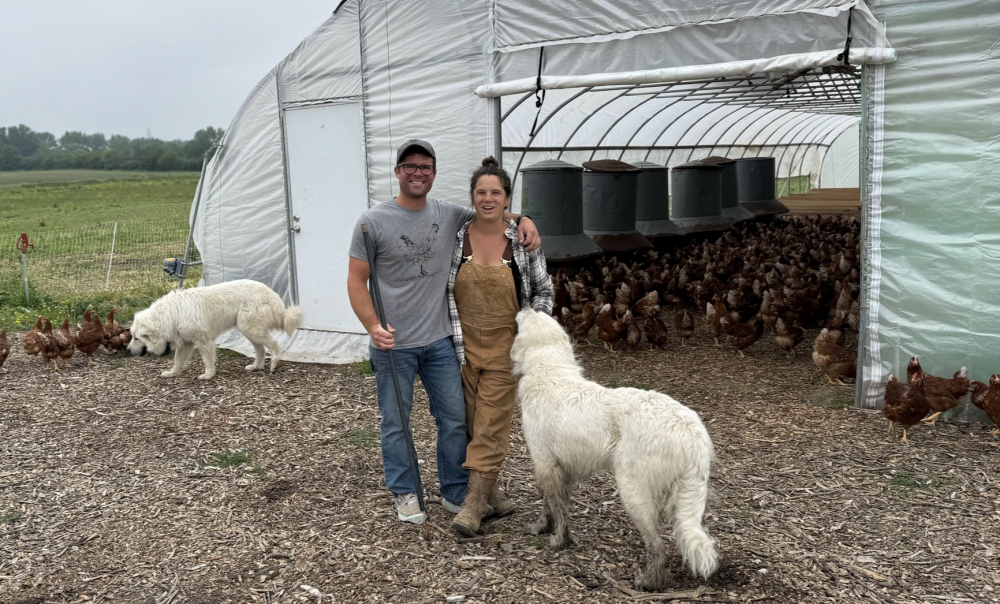
Bird flu wiped out our flock. Federal funding froze. Grants we were counting on disappeared. On paper, this is when a small, values-driven food business is supposed to die.
Instead, our customers showed up. Hard. The GoFundMe, the messages, the quiet “we’re still ordering” moments. That support didn’t just help with cash flow, it rewired how I think about what we’re building. This isn’t just a food delivery service. It's a movement towards an entirely new food system.
I learned to let go of control
The final shift was personal.
This year taught me that we can do everything possible to position Kakadoodle for success, but the outcome isn’t fully ours to control. Looking back, I never could have imagined being here — on a farm, building a local food system, after cancer and everything that followed.
The trials of 2025 made something uncomfortable but clear: I can’t control bird flu, funding freezes, or the world around us. What I can do is show up with clarity, integrity, and consistency — and trust God with the rest.
Looking back, 2025 didn’t feel like a year of growth in the traditional sense. It felt like a year of alignment. The world exposed its fragility, consumers clarified what they value, and we were forced to sharpen who we are and what we’re building. That clarity didn’t make the year easier, but it made the path forward obvious. And that’s something we’re carrying with us into whatever comes next.
Tomorrow, I’ll write about what all of this makes possible.