
article Why Food Is About to Change
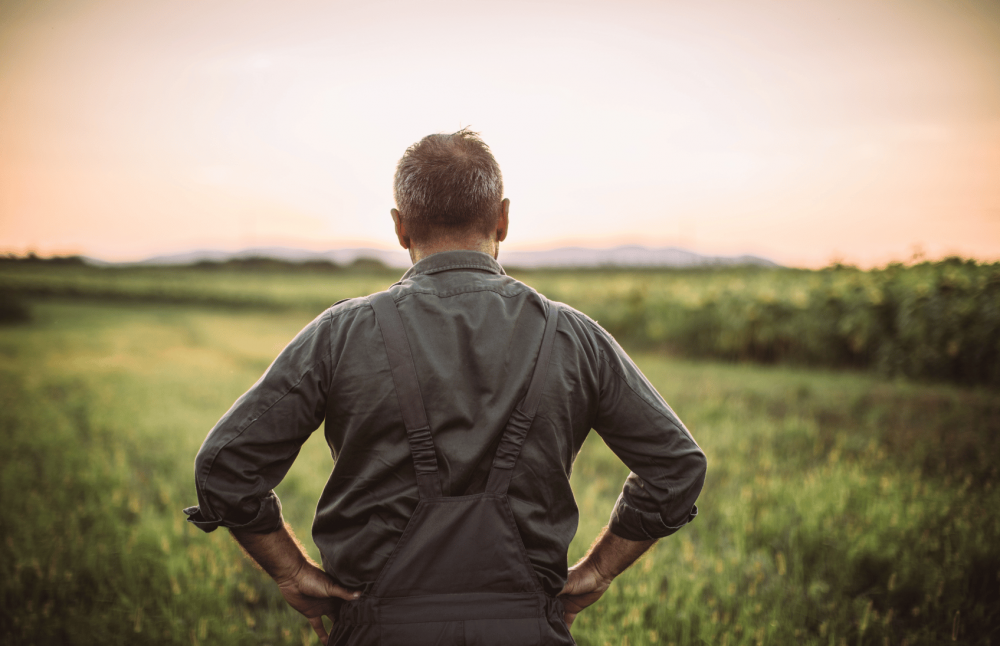
This week the New York Times ran a piece titled Farmers Are Aging. Their Kids Don’t Want to Be in the Family Business.
Here’s why that matters.
When farms disappear, food production consolidates. Fewer producers. Larger operations. Longer supply chains. More standardized food. More reliance on antibiotics and chemical inputs to maintain scale.
The shelf still looks full. Prices can still look low. But the system behind it is optimized for convenience and volume, not long term health.
This isn’t a future scenario. It’s already happening, and it’s accelerating.
What the article made clear is that the traditional handoff from one generation of farmers to the next is breaking down. And there’s no obvious replacement waiting in the wings.
Change Wasn’t Possible, Until Now
Reading the article, I kept coming back to a book called Pattern Breakers. It explores something called Inflection Theory, the idea that major breakthroughs happen when multiple external forces collide and change what’s possible.
- Uber couldn’t have existed before smartphones and GPS.
- Airbnb couldn’t have worked before online payments and social trust systems.
- Tesla couldn’t have taken off before battery tech, government incentives, and public awareness around clean energy all came together.
Right now (like today), technology, culture, economics, and agriculture itself are all shifting at the same time, and at a rapid pace. And when those forces line up, something that once felt impossible suddenly becomes possible.
That’s the moment we’re in right now with food.
The Inflections We’re Riding
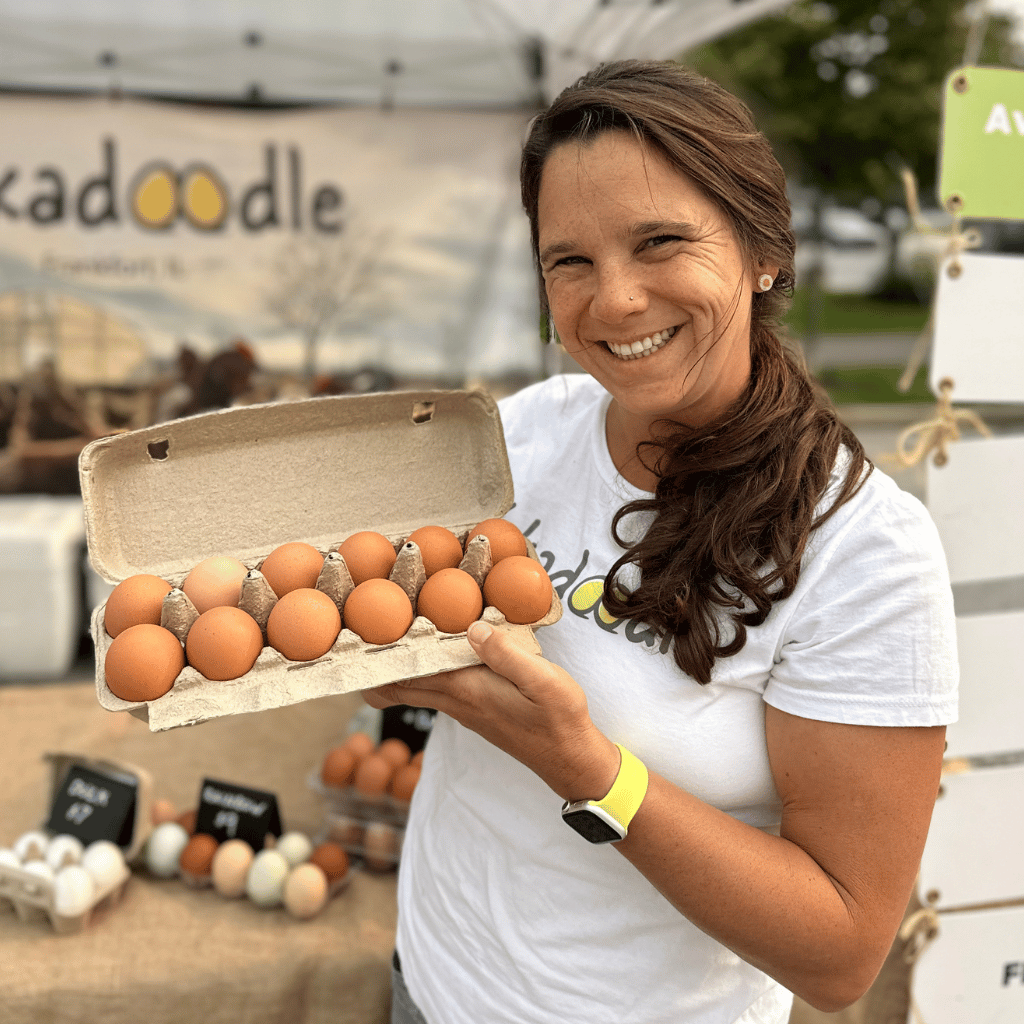
Here’s how I see it. Several major forces are converging right now, and Kakadoodle happens to sit right in the middle of them.
1. The Cultural Inflection
People are losing trust in industrial food. Between pesticides, processed foods, and factory farming, families are asking harder questions about where their food comes from. We’re craving something real. Food we can trust.
2. The Behavioral Inflection
Since COVID, people expect everything to come to their door. Groceries, coffee, takeout. Convenience is now the baseline. That used to be a huge barrier for local food. Now it is an opportunity.
3. The Technological Inflection
Modern APIs, mobile tools, and now AI mean a small farm or regional food marketplace can run systems that used to require a national corporation. Route optimization, customer communication, inventory, forecasting. Ten years ago this required enterprise software. Today it runs on a phone. AI is accelerating this even faster. Planning, marketing, operations, financial visibility. Capabilities that were once locked inside large companies are becoming available to small teams.
4. The Agricultural Inflection
Regenerative farming is shifting from fringe to foundational. Soil health, animal welfare, and chemical free production are no longer niche concerns. They are becoming the standard people want.
5. The Decentralization Inflection
Across banking, media, and food, people are moving away from centralized systems. They want local accountability and real relationships. Regional, community rooted food systems fit naturally into that shift.
6. The Grocery Inflection
The grocery store itself is changing. Fewer people want to wander aisles under fluorescent lights. They want food that is fresher, closer, and easier to access. Delivery, pickup, and local fulfillment hubs are replacing the traditional model.
The store is becoming invisible. The system comes to you.
That is where Kakadoodle is headed.
Why This Moment Matters
Ten years ago, the infrastructure was not ready. Five years ago, the consumer was not ready. Now both are.
And now AI is layering on top of all of it, accelerating decisions, lowering barriers, and giving small, mission driven teams the ability to operate like much larger organizations.
That is the inflection.
It is also why the problem in that New York Times article does not stay a problem forever. The next generation will not step into farming out of obligation. They will step in when the economics, the tools, and the culture make it viable again.
That is what all of these forces together are beginning to unlock.
Every time you fill your cart, you are not just buying eggs or bread or greens. You are participating in the early stages of a new system taking shape.
It is easy to miss the moment you are living in while you are living it. But take a moment to step back, and it starts to become clear.
The timing. The tools. The culture.
They are aligning.
And this is the kind of moment worth building something for.
God willing.